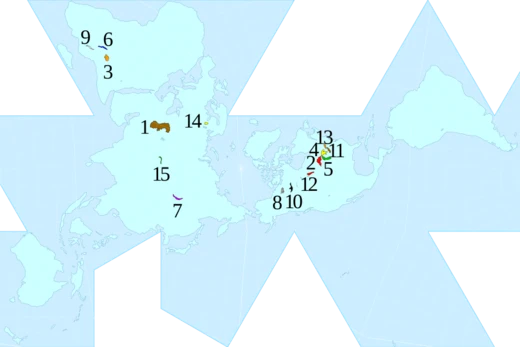
Lake Nicaragua
Largest freshwater lake in Central America, with sharks and canal history.

Adam Jones from Kelowna, BC, Canada · CC BY-SA 2.0
Lake Nicaragua, also known as Cocibolca or Granada (Spanish: Lago de Nicaragua, Lago Cocibolca, Mar Dulce, Gran Lago, Gran Lago Dulce, or Lago de Granada), is a freshwater lake in Nicaragua. Of tectonic origin and with an area of 8,264 km² (3,191 sq mi), it is the largest freshwater lake in Central America, the 19th largest lake in the world (by area) and the tenth largest in the Americas, slightly smaller than Lake Titicaca. With an elevation of 32.7 metres (107 ft) above sea level, the lake reaches a depth of 26 metres (85 ft). The intermittent Tipitapa River feeds Lake Nicaragua when Lake Managua has high water. The lake drains via the San Juan River flowing east to the Caribbean Sea, historically making the city Granada on the northwest shore an Atlantic port, although Granada (as well as the entire lake) is closer to the Pacific Ocean geographically.
- maximum_depth
- 26 m (85 ft)
Verified Timeline
Lore & Background
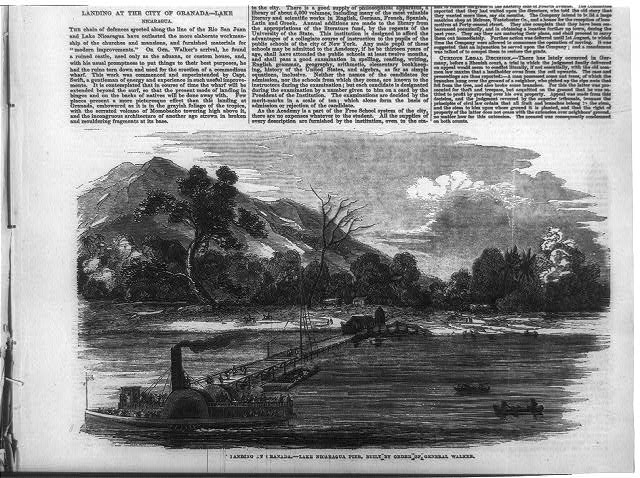
The lake has a history of Caribbean pirates who assaulted Granada on three occasions. Before construction of the Panama Canal, a stagecoach line owned by Cornelius Vanderbilt's Accessory Transit Company connected the lake with the Pacific across the low hills of the narrow Isthmus of Rivas. Plans were made to take advantage of this route to build an Interoceanic Canal, the Nicaragua Canal, but the Panama Canal was built instead. In order to quell competition with the Panama Canal, the U.S. secured all rights to a canal along this route in the Bryan–Chamorro Treaty of 1916. However, since this treaty was mutually rescinded by the United States and Nicaragua in 1970, the idea of another canal in Nicaragua still periodically resurfaced, such as the Ecocanal proposal. In 2014, the government of Nicaragua offered a 50-year concession to the Hong Kong Nicaragua Canal Development Investment Company (HKND) to build a canal across Nicaragua at a cost of US$40 billion, with construction expected to begin in December 2014 and complete in 2019. Protests against the ecological and social effects of the canal as well as questions about financing led to doubts about the project, and in the end construction never began. During the California Gold Rush of the late 1840s a trip up the Rio San Juan, through the lake and then across the short overland stretch was one of the two preferred routes to get from the Atlantic to the Pacific (the other being the overland route through Panama) as overland travel through the continental United States prior to the construction of the transcontinental railroad was too dangerous.
Reader's Guide
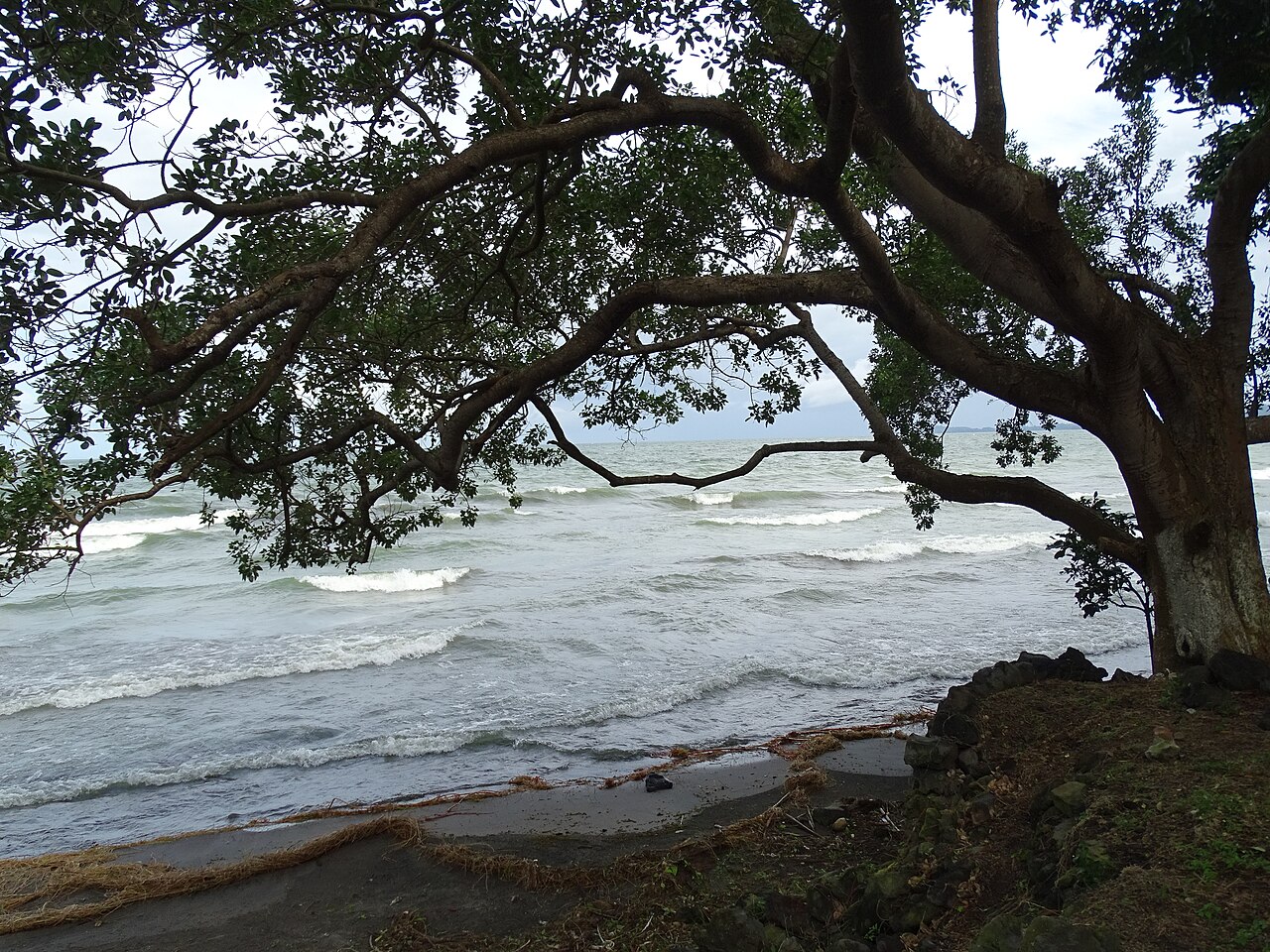
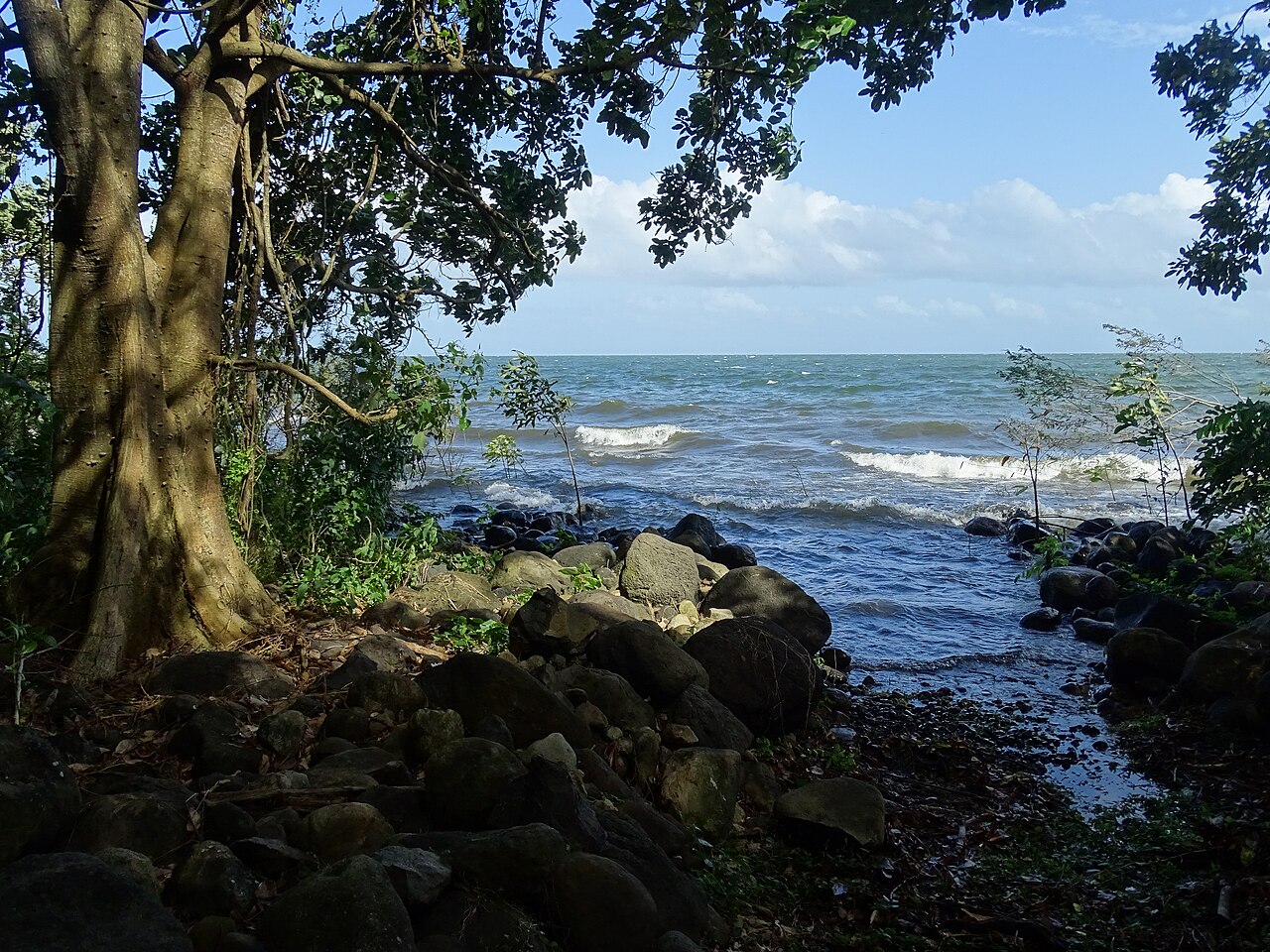
Lake Nicaragua, despite being a freshwater lake, has sawfish, tarpon, and sharks. Initially, scientists thought the sharks in the lake were an endemic species, the Lake Nicaragua shark (Carcharhinus nicaraguensis). In 1961, following comparisons of specimens, it was synonymized with the widespread bull shark (C. leucas), a species also known for entering freshwater elsewhere around the world. It had been presumed that the sharks were trapped within the lake, but this was found to be incorrect in the late 1960s, when it was discovered that they were able to jump along the rapids of the San Juan River — which connects Lake Nicaragua with the Caribbean Sea — almost like salmon. As evidence of these movements, bull sharks tagged inside the lake have later been caught in the open ocean (and vice versa), with some taking as little as 7 days to complete the journey. Numerous other species of fish live in the lake, including at least 16 cichlids that are endemic to the general region. None of these are strictly endemic to Lake Nicaragua, although Amphilophus labiatus is native only to Lake Nicaragua and Lake Managua. A non-native cichlid, a tilapia, is used widely in aquaculture within the lake. Owing to the large amount of waste they produce, and the risk of introducing diseases to which the native fish species have no resistance, they are potentially a serious threat to the lake's ecosystem. The nation's largest source of freshwater, Nicaraguans call it Lago Cocibolca or Mar Dulce (literally "Sweet Sea"; in Spanish, "freshwater" is agua dulce). The lake has sizeable waves driven by the easterly winds blowing west to the Pacific Ocean. The lake holds Ometepe and Zapatera, which are both volcanic islands, as well as the archipelago of the Solentiname Islands. The lake has a reputation for periodically powerful storms. In the past 37 years, considerable concern has been expressed about the ecological condition of Lake Nicaragua. In 1981 the Ministry of the Environment and Natural Resources (MARENA) conducted an environmental assessment study and found that half of the water sources sampled were seriously polluted by sewage. It was found that 32 tons (70,000 pounds) of raw sewage were being released into Lake Nicaragua daily. Industry located along the lake's shore had been dumping effluent for an extended period of time. Pennwalt Chemical Corporation was found to be the worst polluter. Nicaragua's economic situation has hampered the building of treatment facilities nationwide (see: Water supply and sanitation in Nicaragua). The country's worst drought in 32 years took its toll on the lake in 2014; the Nicaraguan government recommended citizens to raise and eat iguanas over chickens to reduce water consumption. Also, plans for the Nicaragua Canal through the lake could lead to saltwater and other contamination during construction and operation of the canal.
Did You Know?
- Lake Nicaragua is the 19th largest lake in the world by area and the tenth largest in the Americas, slightly smaller than Lake Titicaca.
- Bull sharks in the lake can travel to the Caribbean Sea via the San Juan River, with some tagged sharks caught in the open ocean as little as 7 days later.
- The lake was assaulted by Caribbean pirates on three occasions.
- In 1981, it was found that 32 tons (70,000 pounds) of raw sewage were being released into Lake Nicaragua daily.
- The lake's intermittent feeder, the Tipitapa River, only flows when Lake Managua has high water.
Geography & Physical Identity
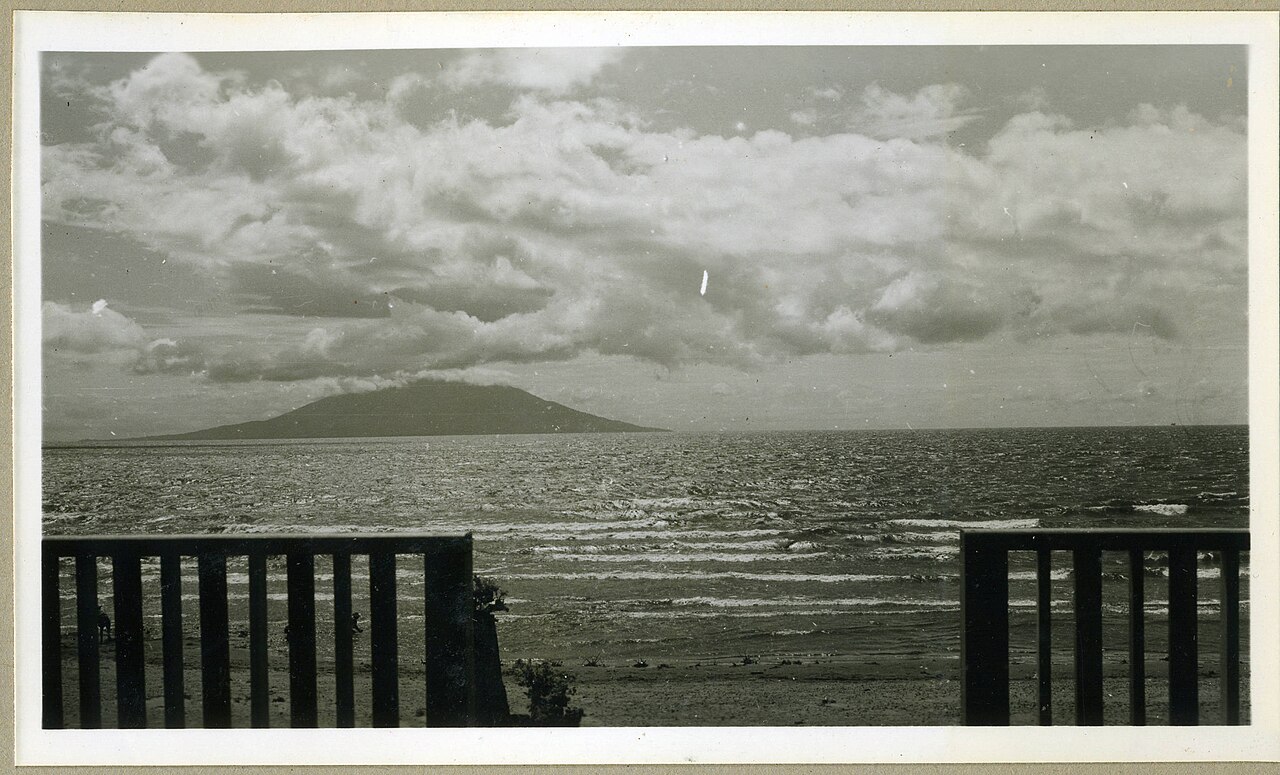
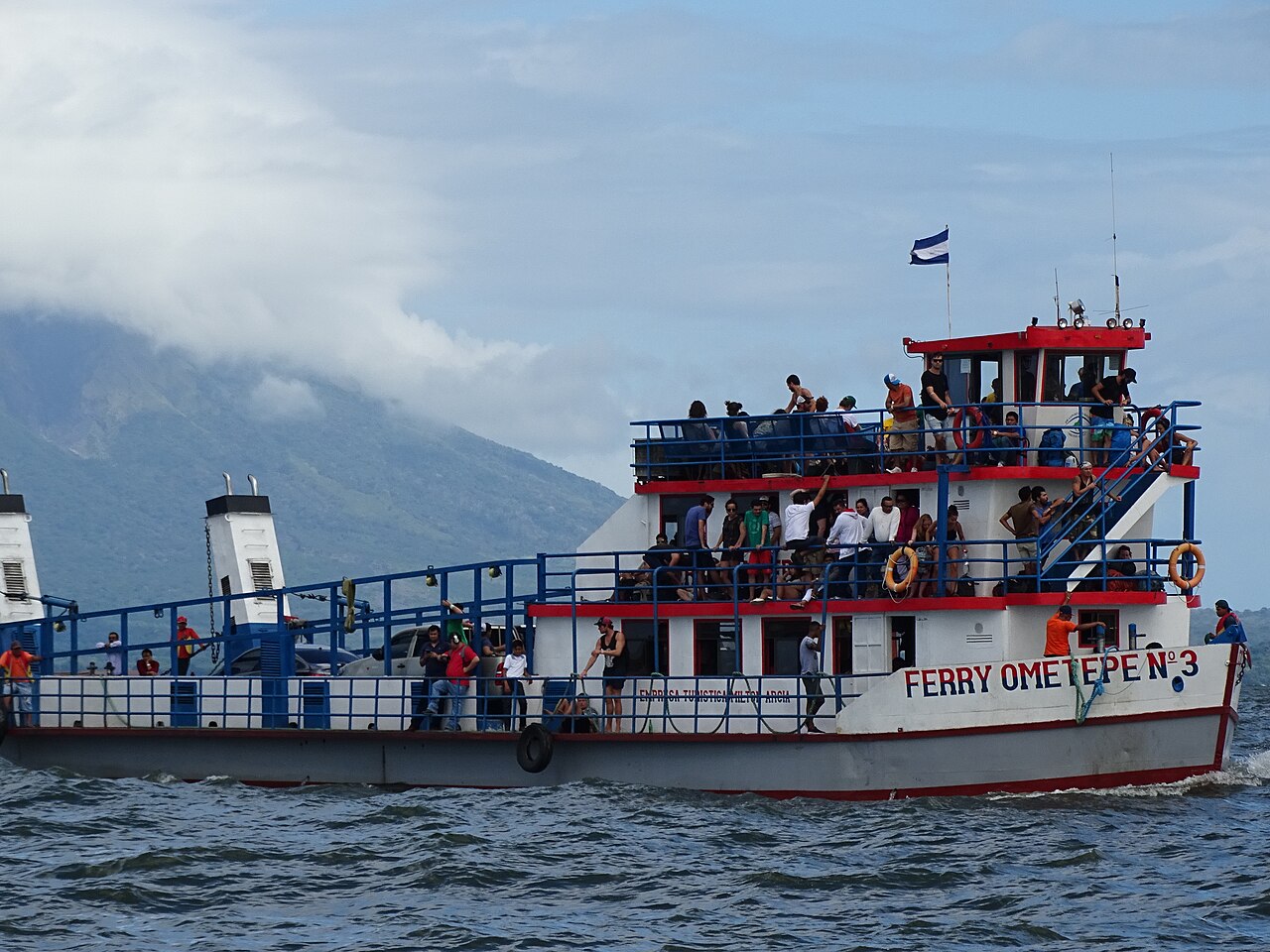
Lake Nicaragua is a freshwater body of tectonic origin covering 8,264 square kilometres, making it the largest freshwater lake in Central America, the 19th largest in the world by area, and the tenth largest in the Americas—just slightly smaller than Lake Titicaca. Situated at an elevation of 32.7 metres above sea level, it reaches a maximum depth of 26 metres. The lake sits between two other significant water features: Lake Xolotlán to the north and the San Juan River to the south, together forming the largest international drainage basin in Central America. The intermittent Tipitapa River feeds the lake when Lake Managua's water levels rise. Its eastern drainage flows via the San Juan River into the Caribbean Sea. The lake contains two volcanic islands—Ometepe and Zapatera—along with the Solentiname Islands archipelago. From the mountains of Ometepe, the Pacific Ocean is visible, despite the lake's Caribbean drainage. Easterly winds drive sizeable waves across its surface, and the lake is known for periodically powerful storms.
Canal Ambitions & Geopolitical Tensions
The lake's position between the Atlantic and Pacific has made it a recurring target for canal ambitions. During the California Gold Rush of the late 1840s, a route up the Rio San Juan, across the lake, and over the narrow Isthmus of Rivas was one of two preferred transcontinental passages. Cornelius Vanderbilt's Accessory Transit Company operated a stagecoach line connecting the lake to the Pacific across those low hills. When the Panama Canal was ultimately chosen over a Nicaragua route, the United States moved to suppress future competition by securing all canal rights along the Nicaraguan path through the Bryan–Chamorro Treaty of 1916. That treaty was mutually rescinded in 1970, and the canal idea has periodically resurfaced since—most dramatically in 2014, when Nicaragua's government granted a 50-year concession to the Hong Kong Nicaragua Canal Development Investment Company for a US$40 billion project. Construction was slated to begin that December and finish by 2019, but protests over ecological and social impacts, combined with financing questions, ensured that no ground was ever broken.
A Freshwater Lake with Saltwater Secrets
Despite being a freshwater body, Lake Nicaragua harbors species typically associated with marine environments: sawfish, tarpon, and sharks. For decades, scientists believed the lake's sharks constituted a unique endemic species, Carcharhinus nicaraguensis. In 1961, specimen comparisons revealed they were actually the widespread bull shark, C. leucas. The assumption that these sharks were permanently trapped in the lake was overturned in the late 1960s when researchers discovered they could leap along the San Juan River's rapids—much like salmon—to reach the Caribbean. Tagged bull sharks caught inside the lake have later been recovered in the open ocean, and vice versa, with some completing the journey in as few as seven days. The lake also supports at least 16 cichlid species endemic to the broader region, including Amphilophus labiatus, native only to Lake Nicaragua and Lake Managua. A non-native tilapia, widely used in aquaculture, poses a serious ecological threat due to its heavy waste output and the risk of introducing diseases to which native fish have no resistance.
Environmental Pressures & Historical Vulnerability
The lake's ecological condition has drawn growing alarm over the past several decades. A 1981 assessment by Nicaragua's Ministry of the Environment and Natural Resources found that half of the sampled water sources were seriously polluted by sewage, with 32 tons of raw sewage entering the lake daily. Industrial effluent, particularly from Pennwalt Chemical Corporation, compounded the damage. The nation's economic constraints have long hindered the construction of adequate treatment facilities. In 2014, Nicaragua's worst drought in 32 years further stressed the lake, prompting the government to advise citizens to raise and eat iguanas rather than chickens to conserve water. The proposed canal through the lake also raised fears of saltwater intrusion and construction-related contamination. Historically, the lake's waters were not safe from human threat either: Caribbean pirates assaulted the city of Granada on the northwest shore on three separate occasions. The lake's sizeable waves, driven by easterly winds, and its reputation for periodically powerful storms add to the challenges of living alongside this vast freshwater expanse.
Gallery
Frequently Asked Questions
Who is Lake Nicaragua?
Lake Nicaragua, also called Cocibolca, is a tectonic freshwater lake sitting in the heart of Nicaragua. It holds the title of the largest freshwater lake in all of Central America and generally ranks around 19th by area among lakes in the Americas.
What are Lake Nicaragua's powers or role?
The lake channels its outflow through the San Juan River into the Caribbean Sea, which historically turned the inland city of Granada into a working Atlantic port. It is also one of the very few freshwater bodies on Earth where bull sharks are native residents.
How does Lake Nicaragua's story end?
As a living geographic feature its narrative never truly closes; it continues to serve as Central America's largest freshwater reservoir and a key node in the region's hydrology. Its legacy is also tied to repeated, unfulfilled proposals for a Nicaragua Canal linking the Pacific and Atlantic coasts.
Why is Lake Nicaragua important?
It is the biggest freshwater lake in Central America, with a maximum depth of roughly 26 metres (85 ft), and its tectonic formation gave Nicaragua a unique geographic advantage. That advantage shaped centuries of trade routes and fueled recurring canal ambitions.
What is Lake Nicaragua's origin story?
Unlike lakes carved by glaciers or meteor impacts, Lake Nicaragua's basin was shaped by the shifting and movement of Earth's crust, making it a product of tectonic activity. This geological origin is what gives the lake its distinctive shape and its position straddling the narrow Nicaraguan isthmus.
More in Lakes Of The World 1-18
Spotted an error? Know more?
This is a living reference — every entry is fact-audited, and reader corrections feed straight into our audit queue. Suggest an edit · See this site's audit record