Lake Tanganyika
Second deepest and longest freshwater lake in the world.

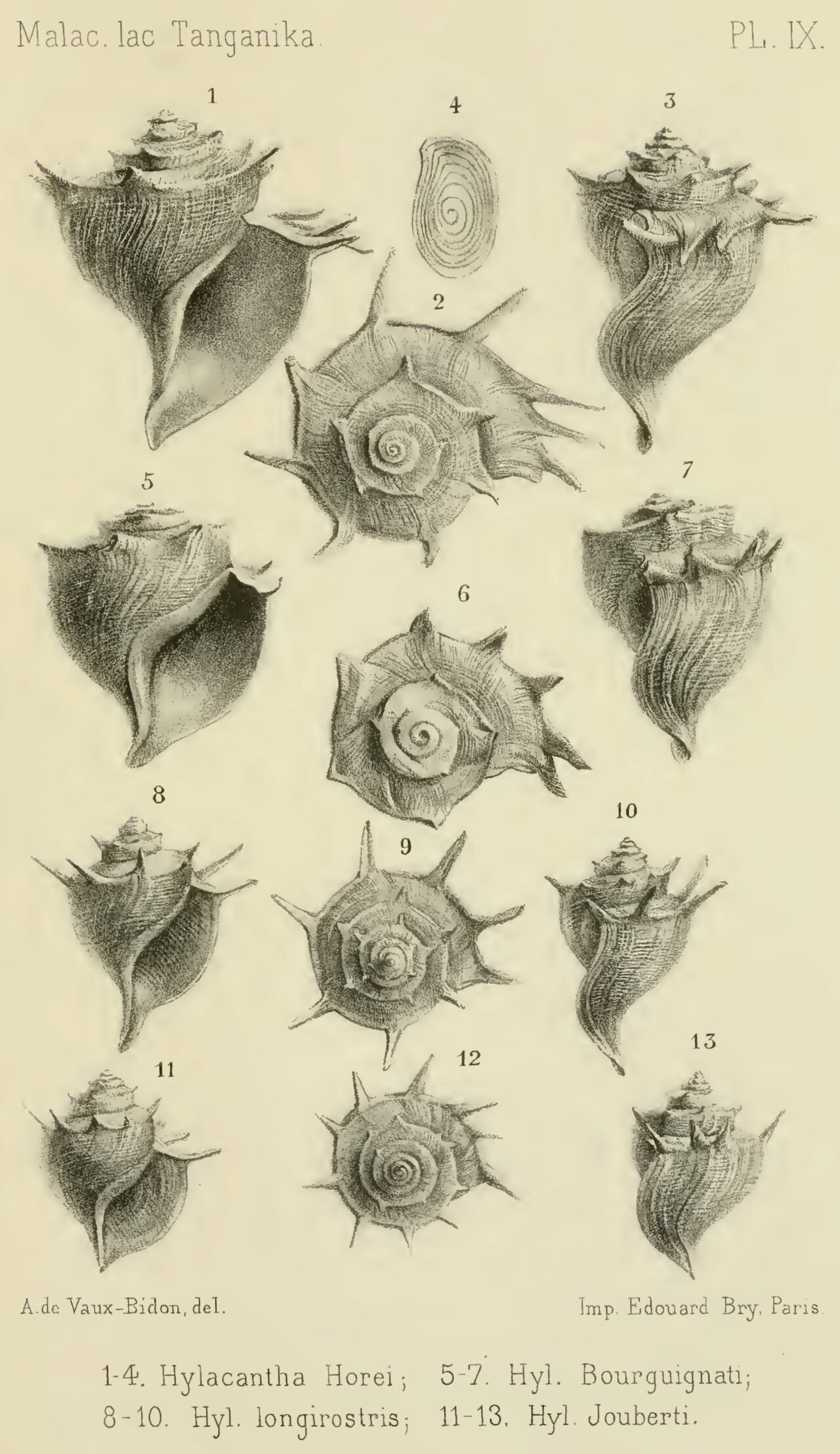
J.R. Bourguignat · Public domain
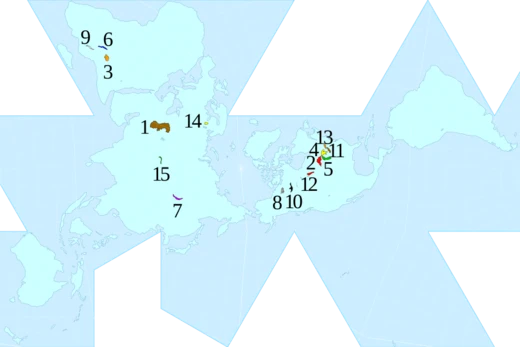
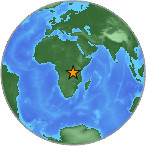
Lake Tanganyika is an African Great Lake. It is the world's second-largest freshwater lake by volume and the second deepest, in both cases after Lake Baikal in Siberia. It is the world's longest freshwater lake. It is also the 6th largest lake by area. The lake is shared among four countries—Tanzania, the Democratic Republic of the Congo (the DRC), Burundi, and Zambia—with Tanzania (46%) and the DRC (40%) possessing the majority of the lake. It drains via the Lukuga River into the Congo River system, which ultimately discharges at Banana, Democratic Republic of the Congo into the Atlantic Ocean.
- type
- Freshwater lake
- location
- East Africa (Tanzania, DRC, Burundi, Zambia)
- area
- 32,000 km²
- maximum_depth
- 1,471 m
- volume
- 18,750 km³
- length
- 676 km
- outflow
- Lukuga River into Congo River system
Lore & Background
Lake Tanganyika is an ancient lake, one of only twenty more than a million years old. Its three basins, which in periods with lower water levels were separate lakes, are of different ages. The central lake began to form 9–12 million years ago (Mya), the northern 7–8 Mya and the southern 2–4 Mya. Today Lake Tanganyika is situated within the Albertine Rift, the western branch of the East African Rift, and is confined by the mountainous walls of the valley. It is the largest rift lake in Africa and the second-largest freshwater lake by volume in the world. It is the deepest lake in Africa and holds the greatest volume of fresh water on the continent, accounting for 16% of the world's available fresh water. It extends for 676 km (420 mi) in a general north–south direction and averages 50 km (31 mi) in width. The lake covers 32,000 km2 (12,000 sq mi), with a shoreline of 1,900 km (1,200 mi), a mean depth of 572 m (1,877 ft) and a maximum depth of 1,471 m (4,826 ft) (in the northern basin). It holds an estimated 18,750 km3 (4,500 cu mi) of water. The catchment area of the lake is 231,000 km2 (89,000 mi2). Two main rivers flow into the lake, as well as numerous smaller rivers and streams. The one major outflow is the Lukuga River, which empties into the Congo River drainage. Precipitation and evaporation play a greater role than the rivers. At least 90% of the water influx is from rain falling on the lake's surface and at least 90% of the water loss is from direct evaporation. The major river flowing into the lake is the Ruzizi River, formed about 10,000 years ago, which enters the north of the lake from Lake Kivu. The Malagarasi River, which is Tanzania's second largest river, enters the east side of Lake Tanganyika. The Malagarasi is older than Lake Tanganyika, and before the lake was formed, it probably was a headwater of the Lualaba River, the main Congo River headstream. The major river flowing into the lake from Zambia and the largest discharging into the southern lake is the Lufubu. The lake has a complex history of changing flow patterns, due to its high altitude, great depth, slow rate of refill, and mountainous location in a turbulently volcanic area that has undergone climate changes. Apparently, in the past it has rarely had an outflow to the sea. It has been described as 'practically endorheic' for this reason. The lake's connection to the sea is dependent on a high water level allowing overflow out of the lake through the Lukuga River into the Congo. When not overflowing, the lake's exit into the Lukuga River is blocked by sand bars and masses of weed, and instead this river depends on its own tributaries, especially the Niemba River, to maintain a flow. Since the 1990s the water level in Lake Tanganyika has risen by about 2 metres, flooding homes and structures along low-lying shores. This is particularly visible in the town of Nsumbu, Zambia, along the shoreline between the jetty and the mouth of the Chisala River, nearly 2 km to the northwest. Between 2018 and 2024 the water has penetrated part of the town up to 300 m from the previous shoreline. The lake's water is alkaline with a pH around 9 at depths of 0–100 m (0–330 ft). Below this, it is around 8.7, gradually decreasing to 8.3–8.5 in the deepest parts of Tanganyika. Surface temperatures generally range from about 24 °C (75 °F) in the southern part of the lake in early August to 28–29 °C (82–84 °F) in the late rainy season in March—April. At depths greater than 400 m (1,300 ft), the temperature is very stable at 23.1–23.4 °C (73.6–74.1 °F). The water has gradually warmed since the 19th century and this has accelerated with global warming since the 1950s. The lake is stratified and seasonal mixing generally does not extend beyond depths of 150 m (490 ft). The mixing mainly occurs as upwellings in the south and is wind-driven, but to a lesser extent, up- and downwellings also occur elsewhere in the lake. As a consequence of the stratification, the deep sections contain 'fossil water'. This also means it has no oxygen (it is anoxic) in the deeper parts, essentially limiting fish and other aerobic organisms to the upper part. Some geographical variations are seen in this limit, but it is typically at depths around 100 m (330 ft) in the northern part of the lake and 240–250 m (790–820 ft) in the south. The oxygen-devoid deepest sections contain high levels of toxic hydrogen sulfide and are essentially lifeless, except for bacteria.
Reader's Guide
Lake Tanganyika and its associated wetlands are home to Nile crocodiles (including famous giant Gustave), Zambian hinged terrapins, serrated hinged terrapins, and pan hinged terrapins (last species not in the lake itself, but in adjacent lagoons). Storm's water cobra, a threatened subspecies of banded water cobra that feeds mainly on fish, is only found in Lake Tanganyika, where it prefers rocky shores. Lake Tanganyika is home to at least 250 endemic species of cichlids, and undescribed species likely remain to be discovered. Almost all (roughly 98%) of the lake's cichlid species are found solely there, and nowhere else, thus making it a precious biological resource for the study of speciation and evolution. The cichlids of the African Great Lakes, including Tanganyika, represent the most diverse extent of adaptive radiation in vertebrates. Some of the endemic species do occur slightly into the upper Lukuga River (Lake Tanganyika's outflow), but any further distribution into the Congo River basin is stemmed purely by geography and chemistry—Tanganyika's lake environment is far more stable and consistent than the rapids and fast-flowing sections of the Congo River. Additionally, Lake Tanganyika's water is alkaline and of a higher pH (which the cichlids prefer), containing a higher calcium and mineral content than the Congo's acidic, sediment-rich waters, which collect much organic detritus from the surrounding rainforests. In areas of the Congo away from rapids or whitewater, the accumulated sediment and organic matter creates sections of 'blackwater', with a high concentration of tannins from dissolving wood and leaves, creating an environment in which cichlids simply do not thrive. Likewise, many tropical riverine species would likely suffer if exposed to the crisp, alkaline lake water. Although Lake Tanganyika has fewer cichlid species than Lakes Malawi or Victoria—which both have experienced relatively recent explosive species radiations (resulting in many closely related species)—, its cichlids are the most morphologically and genetically diverse. This is linked to the maturity of Tanganyika, as it is far older than the other lakes. Tanganyika has the largest number of endemic cichlid genera of all African lakes. All Tanganyika cichlids are in the subfamily Pseudocrenilabrinae. Of the 10 tribes in this subfamily, half are largely or entirely restricted to the lake (Cyprichromini, Ectodini, Lamprologini, Limnochromini and Tropheini), while another three have species in the lake (Haplochromini, Tilapiini and Tylochromini). Others have proposed splitting the Tanganyika cichlids into as many as 12–16 tribes (Bathybatini, Benthochromini, Boulengerochromini, Cyphotilapiini, Eretmodini, Greenwoodochromini, Perissodini and Trematocarini, in addition to the aforementioned tribes). Most Tanganyika cichlids live along the shoreline, down to a depth of 100 m (330 ft), but some deep-water species regularly descend to 200 m (660 ft). Trematocara species have, exceptionally, been found at more than 300 m (980 ft), which is deeper than any other cichlid known. Some of the deepwater genera (e.g., Bathybates, Gnathochromis, Hemibates and Xenochromis) have been caught in places virtually devoid of oxygen, and how they are able to survive there is unclear. Tanganyika cichlids are generally benthic (found at or near the bottom) and/or coastally. No Tanganyika cichlids are truly pelagic and offshore, except for some of the piscivorous Bathybates. Two of these, B. fasciatus and B. leo, mainly feed on Tanganyika sardines. Tanganyika cichlids differ extensively in ecology, and include species that are herbivores, detritivores, planktivores, insectivores, molluscivores, scavengers, scale-eaters and piscivores. These dietary specializations, however, have been shown to be variable and subject to opportunistic changes. That is, many species of Tanganyikan cichlid with specialized diets showed opportunistic, episodic exploitation of Stolothrissa tanganicae and Limnothrissa miodon when prey concentrations were unusually high. The fishes' breeding behavior falls into two main groups: the substrate- or sand-spawners.
Did You Know?
- Lake Tanganyika is the world's longest freshwater lake, extending 676 km in a north–south direction.
- It holds 16% of the world's available fresh water, making it the greatest volume of fresh water on the African continent.
- The lake is home to at least 250 endemic cichlid species, with roughly 98% found nowhere else on Earth.
- Storm's water cobra, a threatened subspecies, is found only in Lake Tanganyika, where it prefers rocky shores.
- Since the 1990s, the water level has risen about 2 metres, flooding low-lying shores, notably in Nsumbu, Zambia.
A Colossal Rift Basin
Lake Tanganyika dwarfs nearly every other freshwater body on Earth in sheer physical presence. Stretching roughly 676 kilometres from north to south and averaging about 50 kilometres in width, it covers approximately 32,000 square kilometres of surface and carries a shoreline of around 1,900 kilometres. Its mean depth sits at 572 metres, while the northern basin plunges to a maximum of 1,471 metres, making it the deepest lake in Africa and the second-deepest on the planet behind only Siberia's Lake Baikal. The volume it holds—roughly 18,750 cubic kilometres—represents 16 percent of all accessible fresh water worldwide. It is also the longest freshwater lake on Earth and the sixth largest by surface area. The lake is divided among four nations: Tanzania holds 46 percent of its waters, the Democratic Republic of the Congo 40 percent, with Burundi and Zambia sharing the remainder. All of this water ultimately finds its way to the Atlantic Ocean through the Lukuga River and the Congo River system, discharging at Banana in the DRC.
Millions of Years in the Making
Lake Tanganyika belongs to an elite group of only about twenty lakes on Earth that exceed one million years in age, and its story spans tens of millions of years. The lake occupies three distinct basins within the Albertine Rift—the western branch of the East African Rift System—each formed at a different epoch. The central basin began taking shape roughly nine to twelve million years ago, the northern basin around seven to eight million years ago, and the southern basin merely two to four million years ago. During drier periods when water levels dropped, these basins existed as entirely separate lakes. The lake's hydrological history is equally turbulent: because of its high elevation, extreme depth, slow refill rate, and position in a volcanically active region, it has rarely maintained a steady outflow to the sea. Scholars have described it as "practically endorheic." In some geological periods, the Lukuga overflow was blocked by sandbars and weed masses, and researchers have even proposed ancient connections to Lake Rukwa, Lake Malawi, and the Nile basin.
A Layered, Living Water Column
The water of Lake Tanganyika behaves very differently at the surface than in its abyssal depths. In the upper hundred metres, the water is distinctly alkaline, with a pH near 9, gradually easing to 8.3–8.5 in the deepest zones. Surface temperatures swing from about 24 °C in the south during early August to 28–29 °C in the late rainy season, yet below 400 metres the water holds a remarkably steady 23.1–23.4 °C. Seasonal mixing, driven mostly by wind-induced upwellings in the southern basin, rarely penetrates past 150 metres. Below that threshold, the water is essentially "fossil water"—ancient, oxygen-free, and saturated with toxic hydrogen sulfide, supporting nothing but bacterial life. The oxygen boundary sits at roughly 100 metres in the north and 240–250 metres in the south. Remarkably, at least 90 percent of the lake's water input comes from rain falling directly on its surface, and at least 90 percent of its loss is through evaporation, making the rivers—Ruzizi, Malagarasi, and Lufubu—secondary players. Since the 1990s, the water level has climbed about two metres, flooding low-lying shores such as Nsumbu in Zambia, where by 2024 water had advanced up to 300 metres inland.
A Living Laboratory of Evolution
Few places on Earth concentrate evolutionary novelty as densely as Lake Tanganyika. The lake shelters at least 250 described species of cichlid fish, and researchers believe many more remain undescribed. An extraordinary 98 percent of these cichlids are found nowhere else on the planet, making the lake one of the most biologically irreplaceable freshwater ecosystems in the world. Beyond the fish, the lake and its surrounding wetlands support Nile crocodiles—including the legendary giant known as Gustave—alongside Zambian hinged terrapins, serrated hinged terrapins, and pan hinged terrapins in adjacent lagoons. Perhaps most striking is Storm's water cobra, a threatened subspecies of banded water cobra that feeds primarily on fish and is restricted to the rocky shores of Lake Tanganyika, with no known population anywhere else. The combination of extreme depth, ancient isolation, alkaline chemistry, and a stable deep-water temperature has created conditions under which entirely new lineages could arise and persist for millions of years, undisturbed by the outside world.
Gallery
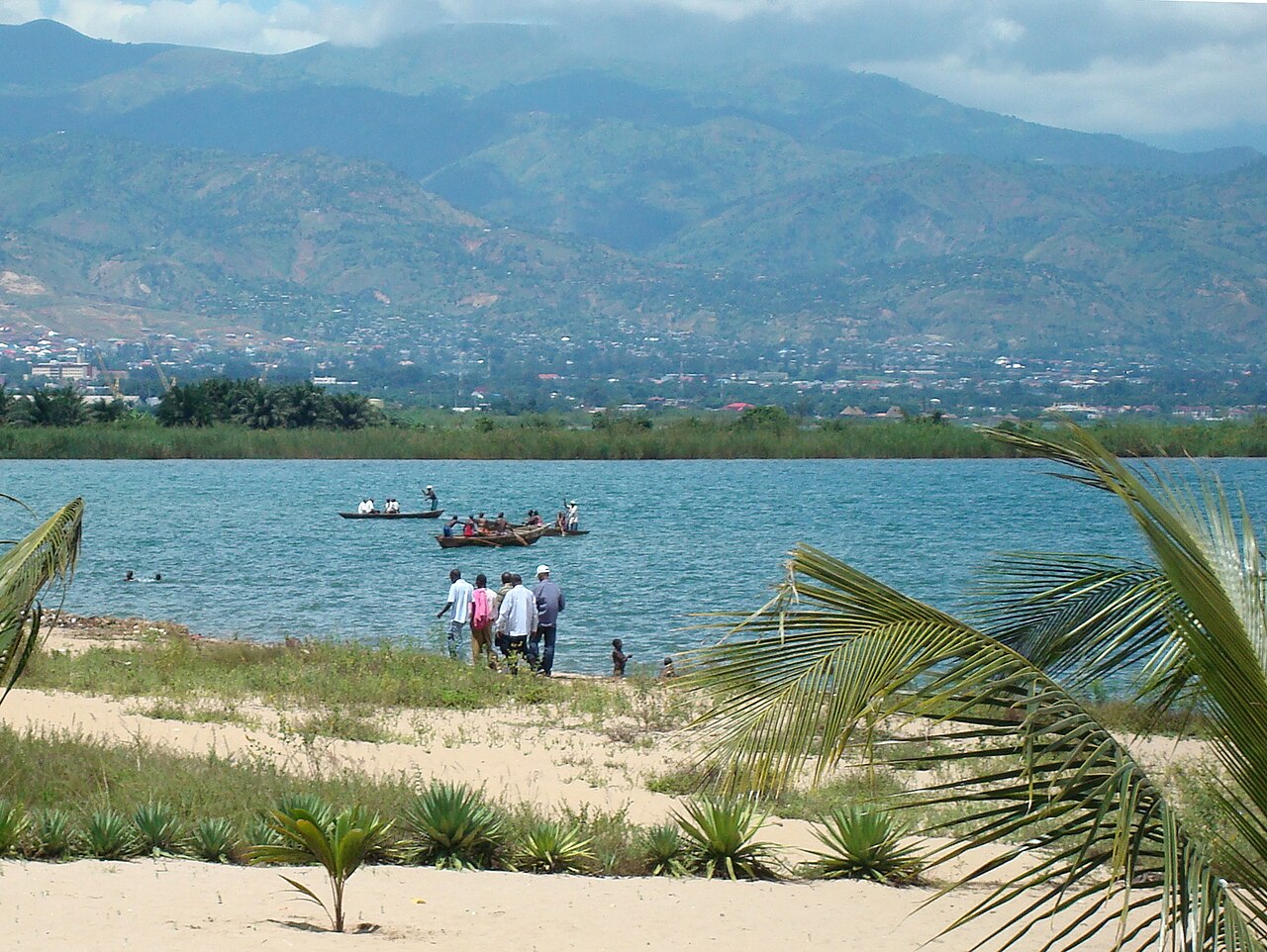
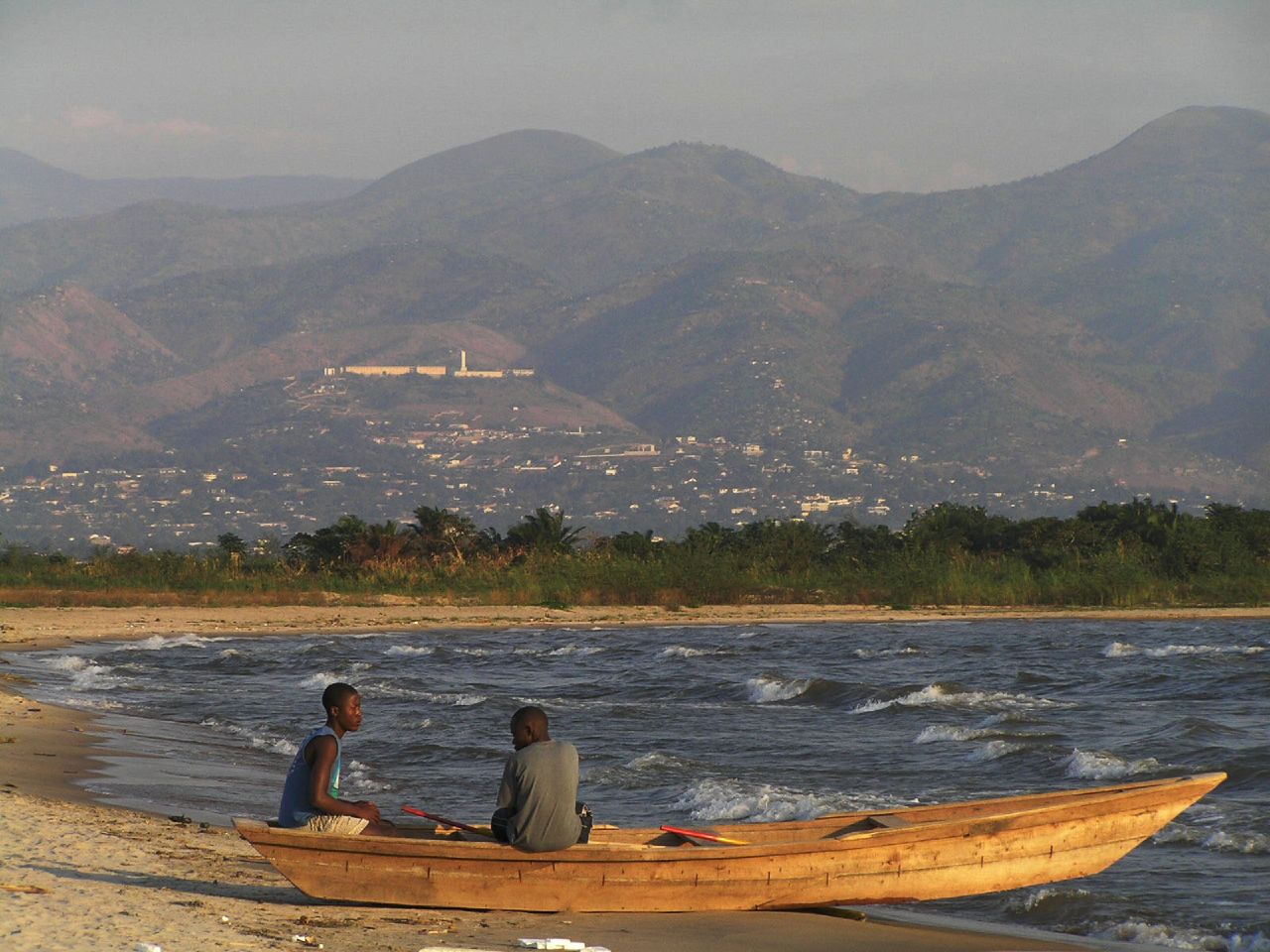
Frequently Asked Questions
Who is Lake Tanganyika?
Lake Tanganyika is one of Africa's Great Lakes and ranks as the second-largest freshwater body on Earth by volume. It is shared among the borders of Tanzania, the Democratic Republic of the Congo, Burundi, and Zambia in East Africa.
What are Lake Tanganyika's powers/role?
It holds the dual distinction of being both the longest and the second-deepest freshwater lake on the planet, stretching 676 kilometers and plunging to 1,470 meters. It also stores roughly 16 percent of all accessible fresh water available to humanity.
How does Lake Tanganyika's story end?
Because it is a real geological feature rather than a fictional character, Lake Tanganyika has no narrative ending; it is an ancient rift lake that has endured for more than a million years and persists to this day. Its ongoing 'story' is one of slow tectonic shifting along the East African Rift system.
Why is Lake Tanganyika important?
It serves as a vital freshwater reservoir for millions of residents across four nations and shelters an extraordinarily rich community of endemic species. With a volume of about 18,750 cubic kilometers, it is a linchpin for regional water security and global biodiversity.
Where does Lake Tanganyika appear in the series?
In the Lakes Of The World lineup it is catalogued as entry 1-18 and is geographically situated in East Africa, bordered by Tanzania, the DRC, Burundi, and Zambia. At roughly 32,000 square kilometers of surface area, it places sixth among the world's lakes by size.
More in Lakes Of The World 1-18
Spotted an error? Know more?
This is a living reference — every entry is fact-audited, and reader corrections feed straight into our audit queue. Suggest an edit · See this site's audit record